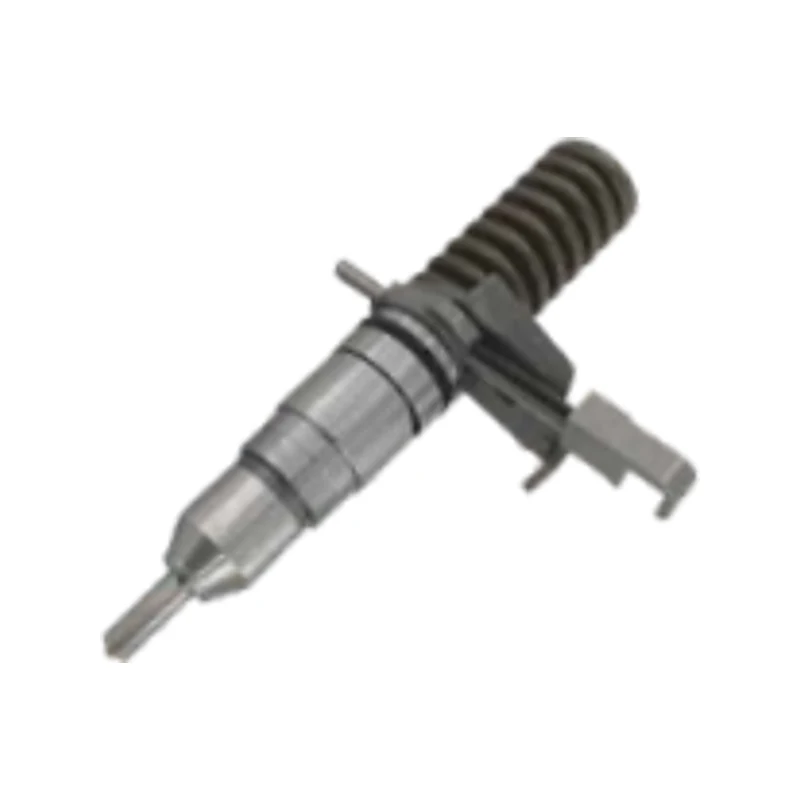
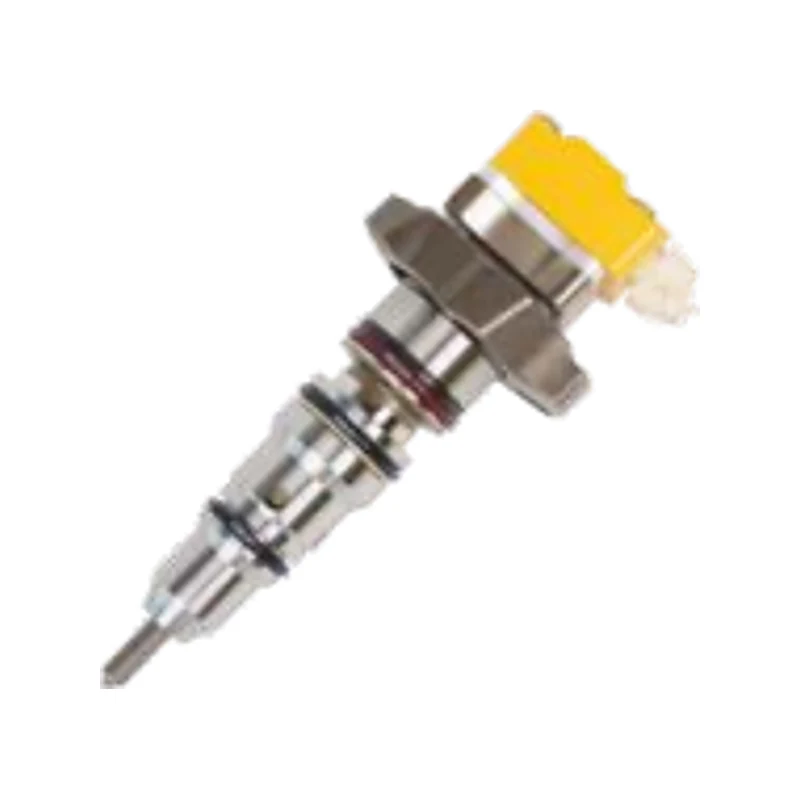
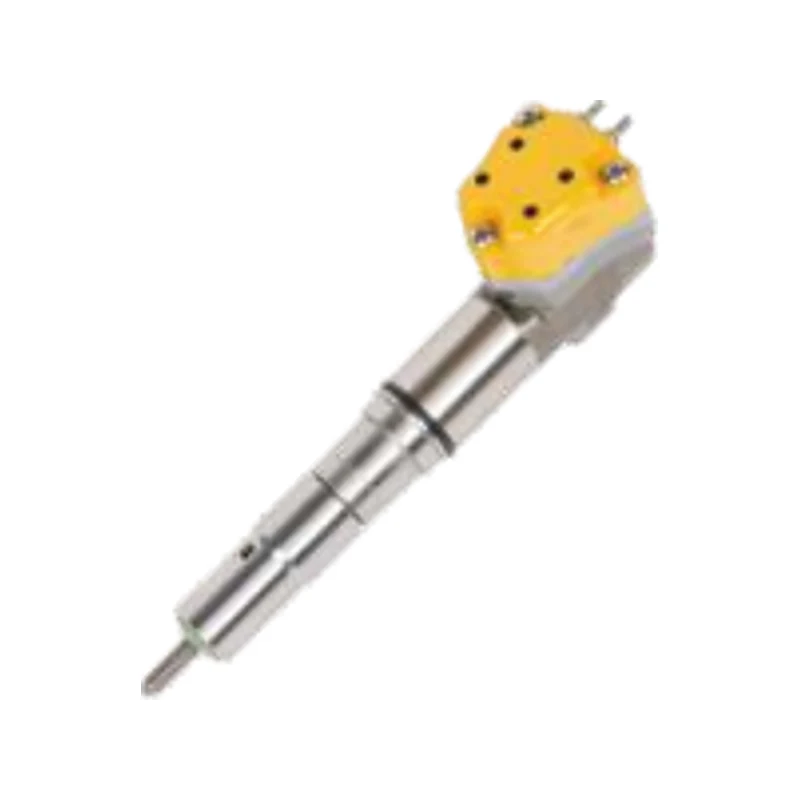
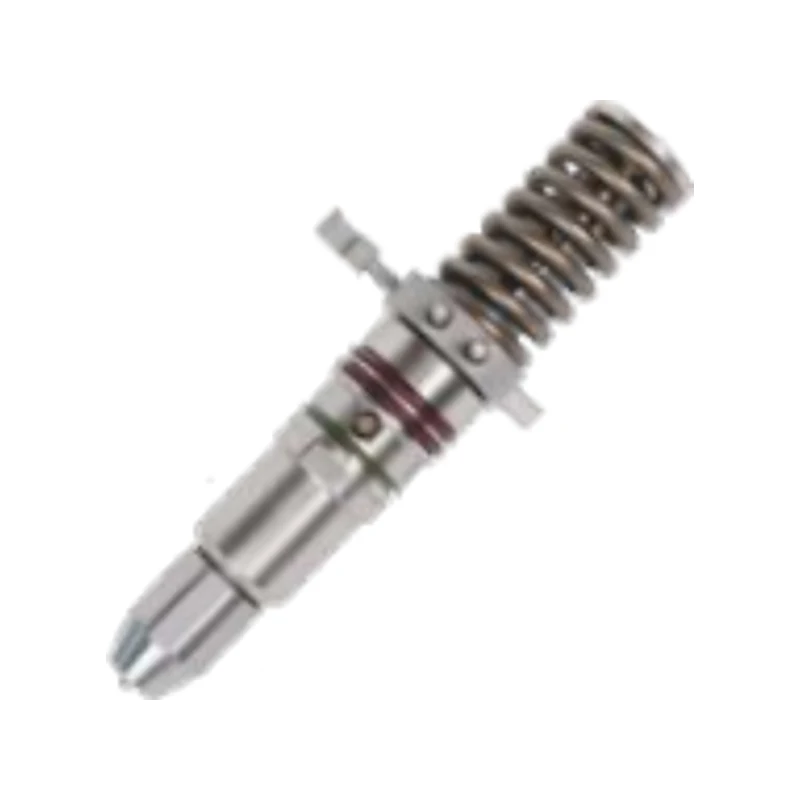
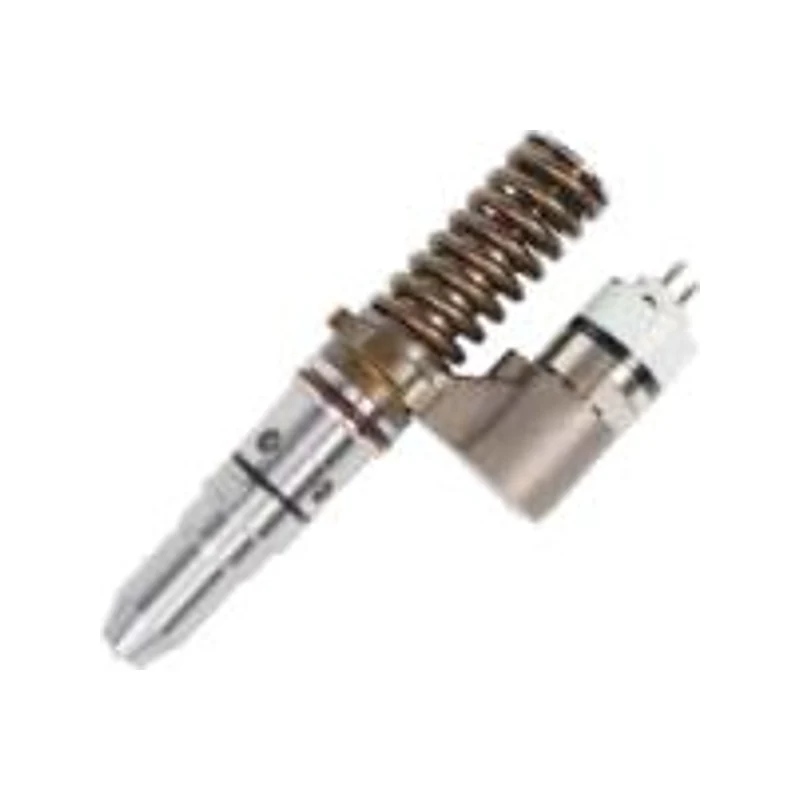
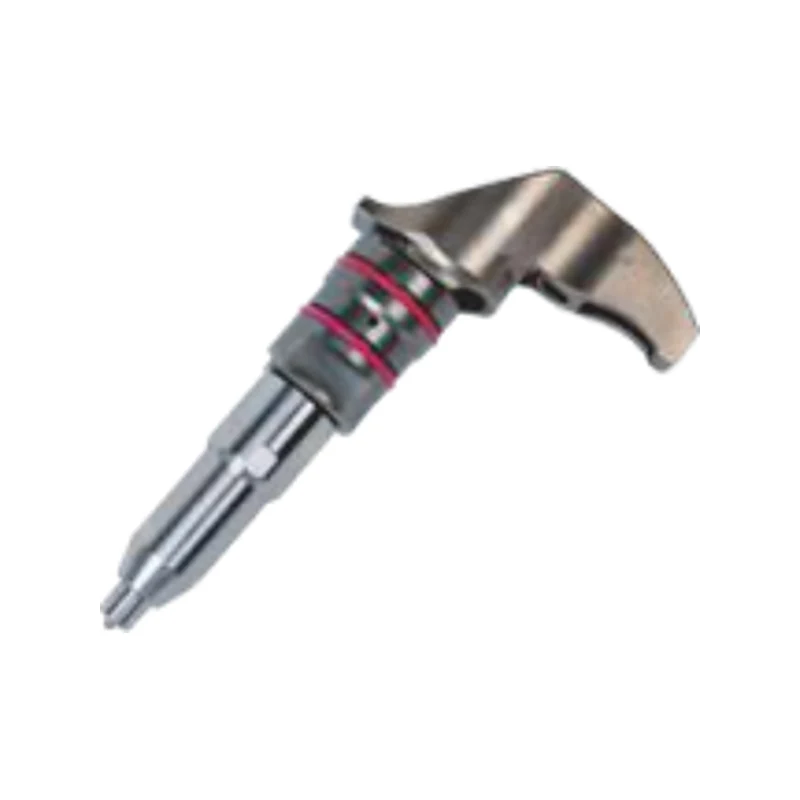
Diesel fuel injectors are among the most precise components in a modern heavy-duty engine.
Their job is not simply to deliver fuel. In a common-rail diesel system, the injector must deliver an accurately metered quantity of fuel at exactly the right moment and under extremely high pressure.
Modern commercial-vehicle common-rail systems can operate at pressures of up to approximately 2,500 bar, depending on the system and application. Bosch, for example, offers commercial-vehicle common-rail systems operating between approximately 1,800 and 2,500 bar. Bosch Mobility
Because the internal tolerances are extremely small, contamination, wear or control problems that appear minor elsewhere in the engine can cause significant injector problems.
What Causes Diesel Fuel Injectors to Fail?
1. Fuel Contamination
Fuel contamination is one of the most important causes of premature injector wear.
Modern injectors contain extremely small internal components and precision surfaces. Water, dirt, metallic particles and other contaminants can cause wear, sticking or damage inside the injector.
Cummins identifies contaminants including water, microorganisms, wax, hard particles, debris and sediment as potential problems for diesel fuel systems. Cummins Inc.
Contamination can result in:
- nozzle or needle wear;
- control-valve damage;
- restricted fuel flow;
- excessive injector return flow;
- poor spray patterns; and
- injector sticking.
For fleets operating in areas where fuel quality varies significantly, effective filtration and water separation become particularly important.
2. Carbon and Deposit Build-Up
Deposits can form around the injector nozzle and its very small spray holes.
Over time, these deposits can interfere with the intended spray pattern and fuel atomisation.
Instead of producing a finely controlled fuel spray, a contaminated nozzle may produce uneven or poorly atomised fuel.
This can contribute to:
- incomplete combustion;
- increased smoke;
- rough running;
- higher fuel consumption;
- reduced engine performance; and
- increased emissions.
This does not mean every injector should automatically be cleaned at a predetermined mileage. Diagnosis should be based on the actual condition and performance of the fuel system.
3. Internal Mechanical Wear
Fuel injectors operate continuously under high pressure and at very high actuation frequencies.
Precision components including the nozzle needle, control valve, sealing surfaces and other internal components gradually wear during service.
As internal clearances increase, an injector may begin to lose its ability to accurately control fuel.
Typical consequences include excessive return flow, incorrect injected quantity or poor pressure control.
High-quality fuel and proper filtration can help reduce contamination-related wear, but injectors remain service components operating in a demanding environment.
4. Electrical or Electronic Problems
Not every apparent injector failure is caused by mechanical damage.
Modern injectors are electronically controlled by the engine management system. Depending on the design, the injector may use a solenoid or piezoelectric actuator.
Possible faults include:
- damaged wiring;
- poor electrical connections;
- failed solenoids;
- actuator problems;
- ECU-related faults; or
- incorrect electrical signals.
Therefore, replacing an injector without first performing appropriate diagnostics may not solve the underlying problem.
How Does a Common-Rail Diesel Injector Work?
A common-rail system separates pressure generation from the individual injection event.
The high-pressure pump generates fuel pressure and supplies pressurised fuel to the common rail. The rail acts as a high-pressure accumulator and distributes fuel to the injectors.
The ECU then calculates the required injection timing and fuel quantity for each cylinder. Bosch Mobility
Modern systems can perform several separate injection events during one combustion cycle.
These may include:
Pilot Injection → Main Injection → Post Injection
Different injection strategies can help control combustion noise, fuel consumption and exhaust emissions.
Some Bosch common-rail injector systems, for example, support up to 10 individual injections per injection cycle. This is a system-specific capability rather than a specification that applies to every diesel injector. Bosch Mobility
This level of precision illustrates why injector condition is so important to overall engine performance.
Common Symptoms of a Failing Diesel Injector
Injector faults can present differently depending on engine type and failure mode.
Common symptoms may include:
- difficult starting;
- unstable or rough idle;
- engine misfire;
- reduced engine power;
- increased fuel consumption;
- excessive black or white smoke;
- abnormal engine noise;
- increased injector return flow;
- uneven cylinder performance;
- engine warning lights or diagnostic fault codes.
These symptoms do not automatically confirm a failed injector.
Problems with the high-pressure pump, fuel filter, rail pressure sensor, wiring, compression, air-management system or other engine components may produce similar symptoms.
Proper diagnosis should therefore come before injector replacement.
How Can Premature Injector Failure Be Reduced?
The most effective strategy is to protect the complete fuel system rather than repeatedly attempting to clean the injectors.
Use Clean, Correct-Specification Fuel
Water and particulate contamination can significantly shorten the life of precision fuel-system components.
Fuel storage tanks and transfer equipment should also be kept clean, particularly in fleet, mining, agricultural and off-highway applications.
Replace Fuel Filters as Recommended
Fuel filters are a critical line of defence between contaminated fuel and high-pressure injection components.
Follow the vehicle or engine manufacturer's specified maintenance intervals rather than extending replacement intervals simply to reduce maintenance costs.
Maintain the Water Separation System
Water entering a diesel fuel system can contribute to corrosion, poor lubrication and component damage.
Fuel-water separators should be checked and serviced according to OEM recommendations.
Diagnose Problems Before Replacing Parts
A suspected injector fault should ideally be confirmed using appropriate diagnostic procedures.
Depending on the system, these may include:
- ECU fault-code analysis;
- cylinder balance testing;
- injector return-flow testing;
- rail-pressure testing;
- electrical testing; and
- professional injector bench testing.
A failed injector may also be a symptom of a larger fuel-system problem.
If contamination caused one injector to fail, simply installing a replacement injector without addressing the contamination source can result in another failure.
Should Common-Rail Injectors Be Cleaned Regularly?
There is no universal rule such as “clean the injectors every 50,000 km.”
Maintenance requirements vary substantially according to engine design, injector technology, operating environment, fuel quality and OEM specifications.
For modern common-rail injectors, diagnosis should determine whether cleaning, testing, repair or replacement is appropriate.
Preventing contamination is generally more important than relying on repeated injector cleaning.
Why Injector Quality Matters
Modern common-rail injection systems operate at extremely high pressures and require very tight manufacturing tolerances.
Injector quality can influence:
- injection quantity accuracy;
- spray pattern;
- response time;
- return-flow characteristics;
- sealing performance; and
- service life.
For commercial vehicles, injector reliability affects more than engine performance. An unexpected injector failure can lead to downtime, towing costs, workshop labour and lost fleet utilisation.
This makes component quality and correct application matching particularly important when sourcing replacement fuel-system parts.
Diesel Injector & Fuel System Parts from TRUPA
TRUPA supplies aftermarket parts for commercial vehicles and heavy-duty applications to customers in international markets.
For diesel fuel-system enquiries, our team can help identify suitable products using information such as:
OE Number / Engine Model / Vehicle Application / Brand / Year
If you are a distributor, wholesaler, fleet-parts supplier or commercial-vehicle repair specialist looking for diesel injection components, send us your OE numbers or application list for product matching and quotation.
Need help identifying a diesel injector?
Send TRUPA your OE number or engine application → Request a Quote
Frequently Asked Questions
What is the most common cause of diesel injector failure?
Fuel contamination is an important cause of premature injector damage. Water, hard particles and other contaminants can damage or restrict precision components inside modern diesel injection systems. Cummins Inc.
How much pressure does a common-rail diesel injector operate under?
It depends on the system. Modern commercial-vehicle common-rail systems can operate at very high pressures; Bosch commercial-vehicle systems, for example, cover approximately 1,800–2,500 bar. Bosch Mobility
Can a faulty injector cause black smoke?
Yes. Incorrect fuel quantity or poor atomisation can contribute to incomplete combustion and black smoke, although turbocharger, air-intake, EGR and other engine faults can produce similar symptoms.
Should all injectors be replaced at the same time?
Not necessarily. The decision should depend on diagnostic results, injector condition, engine application and the source of the failure. However, if widespread fuel contamination is found, the entire fuel system should be investigated rather than treating one injector in isolation.
Can dirty diesel damage common-rail injectors?
Yes. Modern injector components have very small internal tolerances and are particularly sensitive to contamination. Cummins specifically notes that particles and other contaminants can cause wear, sticking and fuel-system malfunction.