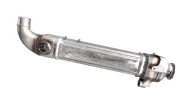
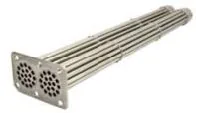
The Exhaust Gas Recirculation (EGR) system plays an important role in reducing NOx emissions and controlling engine combustion temperatures. When the EGR valve, EGR cooler, or related components develop a fault, the engine may show a range of performance and emissions-related symptoms.
Understanding the most common EGR fault symptoms can help identify the problem before it causes further engine damage.
Common Symptoms of an EGR System Fault
An EGR system problem can cause several noticeable symptoms, including:
- Loss of engine power, especially at higher RPM
- Poor acceleration
- Unstable or rough idle
- Engine stalling
- Engine warning light or check engine light
- Increased fuel consumption
- Excessive exhaust emissions
- Black, blue, or white exhaust smoke
- Engine backfiring
- Difficult starting
- Engine overheating
- Increased oil consumption
The exact symptoms depend on whether the problem is related to the EGR valve, EGR cooler, carbon build-up, coolant leakage, or another part of the EGR system.
EGR Valve Stuck Open
If the EGR valve becomes stuck in the open position, too much exhaust gas may enter the intake system.
Typical symptoms include:
- Black exhaust smoke
- Weak acceleration
- Rough or unstable idle
- Increased fuel consumption
- Reduced engine power
- Engine stalling in severe cases
A permanently open EGR valve can significantly affect the engine's air-to-fuel ratio and combustion efficiency.
EGR Valve Stuck Closed
If the EGR valve is stuck in the closed position, exhaust gases cannot circulate through the EGR system as designed.
Possible symptoms include:
- Increased NOx emissions
- Higher combustion temperatures
- Engine knocking or abnormal combustion
- Check engine light
- Failure to meet applicable emissions requirements
Vehicles with an EGR valve stuck closed may fail an emissions inspection where such testing is required.
Carbon Build-Up Around the EGR Valve
Carbon deposits, soot, dirt, and other contaminants can accumulate between the EGR valve and valve seat.
These deposits may restrict exhaust gas flow or prevent the valve from opening and closing correctly.
Possible consequences include:
- Restricted EGR flow
- Engine overheating
- Poor engine performance
- Abnormal combustion or knocking
- Increased emissions
Carbon contamination is one of the most common causes of EGR system performance problems, particularly in diesel engines.
Common EGR Cooler Failure Symptoms
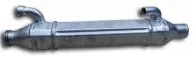
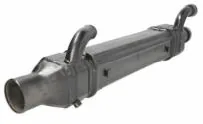
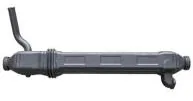
The EGR cooler lowers the temperature of exhaust gases before they are returned to the intake system.
When an EGR cooler develops an internal leak or other failure, common symptoms may include:
- White exhaust smoke
- Coolant loss
- Engine overheating or a pressurised cooling system
- Steam or a sweet coolant smell from the exhaust
- Coolant residue or white deposits in the intake or EGR passages
- Reduced EGR flow caused by soot-clogged cooler tubes
An internal EGR cooler leak should be repaired promptly. Coolant entering the intake or combustion chamber can damage the engine, and a leaking cooler that is not replaced can cause repeated overheating.
How to Diagnose EGR Problems
Because several faults produce similar symptoms, diagnosis should follow a logical sequence rather than starting with parts replacement:
- Read the fault codes and live data for EGR valve position, EGR flow and exhaust temperatures.
- Inspect the EGR valve for carbon build-up, sticking or electrical/actuator faults.
- Pressure-test the cooling system and check for unexplained coolant loss.
- Pressure-test the EGR cooler on the coolant side to confirm or rule out an internal leak.
- Check the intake and EGR passages for soot, oil or coolant residue.
- Look for the root cause — overheating, poor coolant condition, excessive soot or turbo/injector problems can all shorten EGR component life.
When ordering a replacement EGR cooler, confirm the OE number, engine model, emissions level and flange orientation, and replace the gaskets at the same time.